Mastering the Multiple Sclerosis Pain Tracker KDP Interior: A Comprehensive Guide
Welcome to the world of Multiple Sclerosis Pain Tracker KDP Interior, a tool designed to help individuals with multiple sclerosis (MS) document and manage their pain effectively. This guide will walk you through the essential aspects of this resource, helping you make the most of it while avoiding common pitfalls.
Understanding the Multiple Sclerosis Pain Tracker KDP Interior
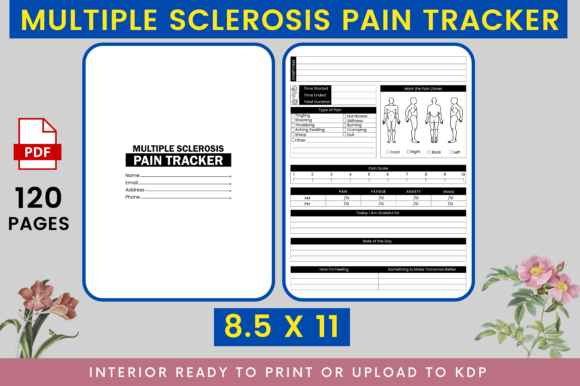
The Multiple Sclerosis Pain Tracker KDP Interior is a meticulously crafted PDF file that serves as a journal for tracking MS-related pain. It's designed to be uploaded directly to Amazon KDP, making it accessible to a wide audience. The tracker includes:
- A ready-to-upload PDF file
- Dimensions of 6 x 9 inches and 8.5 x 11 inches
- 120 total pages
- An introductory page
- Bleed-ready interior, ensuring high-quality printing
This tool is invaluable for anyone living with MS, as it helps in monitoring pain patterns, which can be crucial for managing the condition and communicating with healthcare providers.
Mistake 1: Not Customizing the Tracker to Your Needs
One of the most common mistakes is using the Multiple Sclerosis Pain Tracker KDP Interior without tailoring it to your specific requirements. Every individual's experience with MS is unique, and what works for one person may not work for another.
Advice: Take some time to customize the tracker. Add or remove sections based on your symptoms and the information you find most useful. For example, if you experience more visual disturbances, you might want to include a section specifically for tracking those symptoms.
Mistake 2: Overlooking the Importance of Consistent Data Entry
Consistency is key when using any type of health tracker. Irregular data entry can lead to gaps in your pain management, making it difficult to identify patterns and triggers.
Advice: Set a regular schedule for updating your pain tracker. Whether it's daily, weekly, or after each flare-up, consistency will provide you with a more accurate picture of your condition. Consider setting reminders on your phone or calendar to ensure you don't miss an update.
Mistake 3: Ignoring the Bleed Settings for Printing
When preparing to print the Multiple Sclerosis Pain Tracker KDP Interior, many users overlook the importance of bleed settings. This can result in a less professional-looking final product, with white borders or misaligned pages.
Advice: Make sure to check and adjust the bleed settings before printing. Most professional printers require a 0.125-inch (3 mm) bleed margin. If you're unsure, consult the printer's guidelines or contact their support team for assistance.
What to Check Before Using the Multiple Sclerosis Pain Tracker KDP Interior
Before you start using the Multiple Sclerosis Pain Tracker KDP Interior, there are a few things to consider to ensure you get the most out of it:
- Compatibility: Ensure that the dimensions (6 x 9 inches and 8.5 x 11 inches) match your preferred format. If you need a different size, consider customizing the file or looking for a version that fits your needs.
- Content Relevance: Review the content of the tracker to make sure it covers all the areas you need. If you find that certain sections are missing, you can add them yourself or look for a more comprehensive version.
- Quality Assurance: Since the files were tested on Amazon KDP, you can be confident in their quality. However, it's always a good idea to do a test print to check for any issues before ordering a large batch.
By following these steps, you can avoid common mistakes and make the most of the Multiple Sclerosis Pain Tracker KDP Interior. Remember, the goal is to create a tool that helps you manage your condition effectively and communicate clearly with your healthcare providers.
Conclusion
The Multiple Sclerosis Pain Tracker KDP Interior is a powerful tool for anyone dealing with MS. By avoiding common mistakes and customizing the tracker to your needs, you can gain valuable insights into your condition and improve your overall quality of life. Take the time to set up your tracker thoughtfully, and you'll be well on your way to better pain management and communication with your healthcare team.