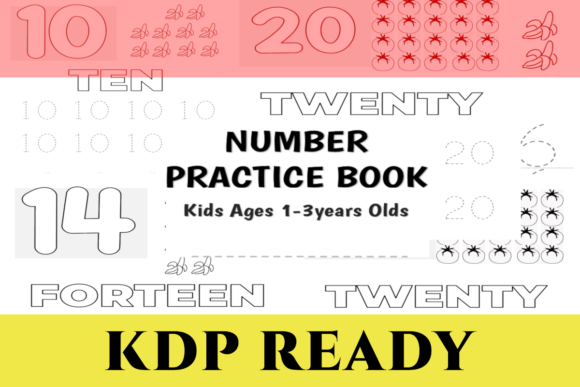
Numbers Tracing for Preschool: A Fun and Effective Way to Learn Counting
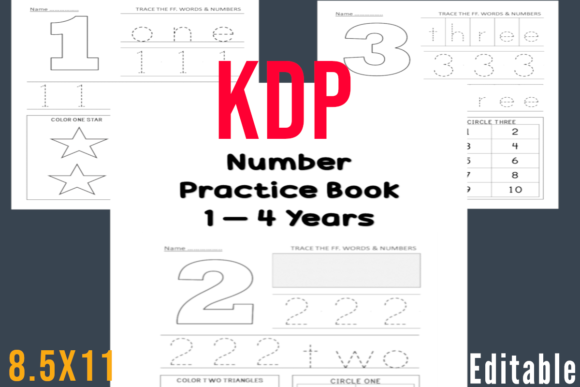
Numbers tracing for preschool is a foundational skill that helps young children develop their number recognition and counting abilities. This activity involves using a workbook or printable sheets where children can trace over numbers, helping them to become familiar with the shapes and forms of each numeral.
Why Numbers Tracing is Important for Early Learning
Tracing numbers is not just about writing; it's a multi-sensory experience that engages the child's visual, tactile, and cognitive skills. By repeatedly tracing numbers, children can:
- Improve their fine motor skills and hand-eye coordination.
- Become more comfortable with the shape and form of numbers.
- Develop a stronger memory of the sequence of numbers.
These skills are essential building blocks for future mathematical learning and overall academic success.
Real-World Scenarios Where Numbers Tracing Can Be Useful
Numbers tracing can be integrated into various everyday activities, making it a versatile tool for parents and educators. Here are some practical examples:
- At Home: Incorporate numbers tracing into your daily routine. For instance, you can create a fun morning activity where your child traces numbers while you prepare breakfast. This not only makes learning enjoyable but also helps to establish a consistent practice.
- In the Classroom: Teachers can use numbers tracing as a part of their early math curriculum. It can be particularly useful in small group settings or as an individual activity during free playtime. This allows children to work at their own pace and receive one-on-one attention when needed.
- During Travel: Take advantage of travel time by bringing a portable numbers tracing workbook. This can be a great way to keep your child engaged and learning, even when you're on the go. Whether it's a long car ride or a flight, numbers tracing can be a calming and educational activity.
How Different Users May Benefit from Numbers Tracing
The benefits of numbers tracing extend to various users, including:
- Parents: Parents can use numbers tracing to support their child's early education at home. It provides a structured yet flexible way to introduce and reinforce basic math concepts. Additionally, it can be a bonding activity, allowing parents to actively participate in their child's learning journey.
- Teachers: In the classroom, teachers can leverage numbers tracing to cater to different learning styles. It can be especially beneficial for children who are visual or kinesthetic learners, as it provides a hands-on approach to understanding numbers.
- Therapists and Special Educators: For children with special needs, numbers tracing can be a valuable tool. It can help in developing fine motor skills, improving focus, and reducing anxiety. Therapists and special educators can customize the activity to meet the specific needs of each child, making it a highly adaptable resource.
Creating the Ideal Interior for Your Child's Numbers Tracing Workbook
When designing a numbers tracing workbook, it's important to consider the following elements to ensure it is both effective and engaging:
- Big and Legible Fonts: Use large, clear fonts that are easy for young children to see and trace. This helps in reducing frustration and enhancing the learning experience.
- Spacious Layout: The workbook should have plenty of space for children to trace numbers without feeling cramped. An 8.5x11 inch size is ideal, providing ample room for each number and any additional activities.
- Editable and Free for Other Uses: Make sure the workbook is editable so that you can customize it to fit your child's specific needs. Additionally, using materials that are free for other uses ensures that you can share and adapt the workbook as needed.
This interior has passed KDP quality check and is ready to be uploaded, ensuring that it meets the highest standards for print and digital publication.
Common Considerations Before Using a Numbers Tracing Workbook
Before diving into numbers tracing, here are some considerations to keep in mind:
- Age Appropriateness: Ensure that the workbook is suitable for your child's age and developmental stage. Start with simple numbers and gradually introduce more complex ones as your child becomes more proficient.
- Consistency: Consistency is key in early learning. Try to incorporate numbers tracing into your child's daily routine to build a strong foundation and reinforce learning.
- Engagement: Keep the activity fun and engaging. Use colorful pages, add stickers, or include small rewards to motivate your child. The more enjoyable the activity, the more likely your child is to stay engaged and learn effectively.
By integrating these considerations, you can create a positive and effective learning environment for your child, setting them up for success in their early academic journey.