Understanding and Utilizing the Basketball Playbook Court Diagram
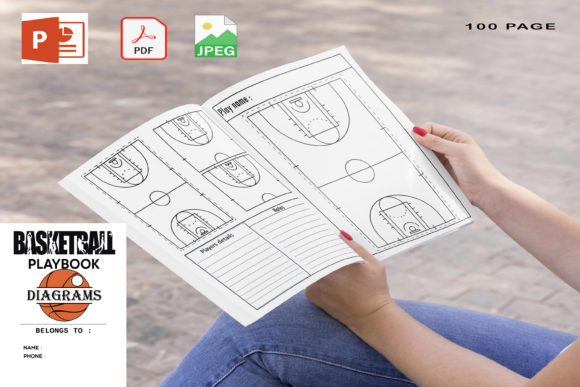
The Basketball Playbook Court Diagram is a strategic tool designed for coaches, players, and enthusiasts to visualize and plan basketball plays. This diagram provides a detailed, scalable representation of a basketball court, enabling users to map out player movements, set plays, and defensive strategies with precision. The diagram is an essential part of any comprehensive basketball playbook, offering a clear and structured way to communicate complex tactics.
Key Features of the Basketball Playbook Court Diagram
- Detailed Court Representation: The diagram includes all standard court markings, such as the three-point line, free-throw line, and key, ensuring accuracy in play planning.
- Scalable and Customizable: Users can zoom in and out to focus on specific areas or adjust the scale to fit their needs, making it versatile for various coaching styles and play complexities.
- User-Friendly Design: The clean, no-bleed design (8.5" x 11") makes it easy to print and use in both digital and physical formats, enhancing its accessibility and utility.
- Comprehensive Content: With 100 pages of content, the playbook offers ample space for a wide range of plays, drills, and strategies, catering to different levels of play and team sizes.
Comparing the Basketball Playbook Court Diagram with Other Options
When considering the Basketball Playbook Court Diagram, it's important to compare it with other similar tools and resources available. Some alternatives include digital apps, traditional hand-drawn diagrams, and pre-printed playbooks. Each option has its own set of strengths and tradeoffs.
Digital Apps vs. Physical Playbooks
Digital apps offer the convenience of instant access and interactive features, but they may not be as practical for on-court use where technology might be limited. In contrast, the Basketball Playbook Court Diagram provides a tangible, easily shareable resource that can be used in a variety of settings, from practice sessions to game-day huddles.
Hand-Drawn Diagrams vs. Pre-Printed Playbooks
While hand-drawn diagrams allow for quick, on-the-spot adjustments, they can be less precise and harder to standardize across a team. The Basketbook Playbook Court Diagram offers a more professional and consistent approach, with pre-printed, high-quality diagrams that ensure clarity and uniformity in play communication.
Strengths and Limitations of the Basketball Playbook Court Diagram
The Basketball Playbook Court Diagram excels in providing a clear, organized, and accessible way to plan and execute basketball plays. Its scalability and user-friendly design make it a valuable tool for both novice and experienced coaches. However, it does have some limitations, such as the need for physical storage and the potential for wear and tear over time.
Best-Fit Situations
- Coaches and Teams: Ideal for coaches who need a reliable, consistent way to plan and communicate plays to their teams.
- Player Development: Useful for players looking to study and understand complex plays and strategies independently.
- Educational Settings: Suitable for use in basketball clinics, camps, and educational programs where visual aids are essential.
Limitations and Considerations
- Physical Storage: Requires space for storage, which may be a consideration for those with limited resources.
- Wear and Tear: Over time, physical pages may show signs of wear, necessitating replacement or careful handling.
- Customization: While the diagram is highly customizable, it may not offer the same level of interactivity as some digital tools.
Making the Right Choice: When to Use the Basketball Playbook Court Diagram
The Basketball Playbook Court Diagram is an excellent choice for those who value a tangible, well-organized, and visually clear method of planning and executing basketball plays. It is particularly beneficial for coaches who need a reliable, standardized tool for their teams, as well as for players and educators who require a comprehensive and accessible resource.
However, if you prefer the convenience and interactivity of digital tools, or if you frequently need to make quick, on-the-fly adjustments, a digital app or hand-drawn diagrams might be more suitable. Ultimately, the best choice depends on your specific needs, preferences, and the context in which you will be using the playbook.
By carefully considering these factors, you can make a more informed decision and choose the right tool to enhance your basketball strategy and performance.